Introduction
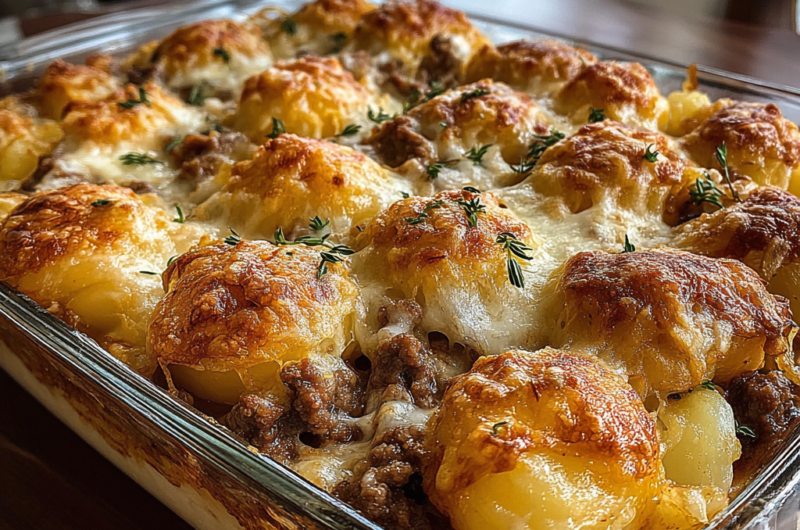
Potato casserole is a beloved dish that perfectly balances comfort and flavor. Whether served as a side at family gatherings or as a hearty main course, it never fails to please the palate. The layers of creamy potatoes, cheese, and seasoning create a satisfying experience for anyone at the table.
This casserole offers versatility, allowing for personal touches with various ingredients. You can adjust it to your taste by adding different cheeses, herbs, or vegetables. It’s a fantastic way to showcase the humble potato, elevating it from a simple side to a star dish that everyone will remember.
Ingredients
- 3 lbs russet potatoes
Russet potatoes are starchy and fluffy, making them ideal for casseroles. They absorb flavors well and create a creamy texture when baked. - 1 cup sour cream
Sour cream adds richness and moisture, enhancing the creaminess of the casserole while balancing the flavors with a slight tang. - 1 cup shredded cheddar cheese
Cheddar cheese melts beautifully and contributes a rich, cheesy flavor that complements the potatoes, making the dish indulgent. - 1/2 cup milk
Milk helps to create a smoother consistency in the casserole, preventing it from being too thick or dry, which enhances the overall mouthfeel. - 1/2 cup chopped green onions
Green onions introduce a fresh, mild onion flavor that brightens the dish and adds a nice color contrast. - 1/2 cup cooked bacon bits
Bacon adds a savory, smoky flavor that elevates the dish, providing a delicious crunch and an element of indulgence. - 1 teaspoon garlic powder
Garlic powder enhances the overall flavor profile of the casserole, infusing it with warmth and depth without overpowering the dish. - 1 teaspoon salt
Salt is essential for enhancing and balancing flavors in the casserole, bringing out the best in the potatoes and other ingredients. - 1/2 teaspoon black pepper
Black pepper adds a subtle heat and complexity to the dish, rounding out the flavor profile. - 1 cup crushed cornflakes (optional)
Crushed cornflakes can be sprinkled on top before baking for a crunchy texture contrast, adding an extra layer of flavor.
Directions & Preparation
Step 1: Preheat the oven to 350°F (175°C).
This initial heat setting is vital as it ensures even cooking throughout the casserole. Preheating the oven allows the dish to bake properly, creating that enticing golden crust while cooking the potatoes thoroughly.
Step 2: Wash, peel, and slice the potatoes into thin rounds.
Properly slicing the potatoes ensures even cooking, preventing some parts from becoming mushy while others remain undercooked. Thin rounds allow the potatoes to soak up flavors better and create a pleasing texture.
Step 3: In a large mixing bowl, combine sour cream, milk, garlic powder, salt, black pepper, and half of the cheddar cheese.
Mixing the creamy ingredients together harmonizes the flavors, ensuring an even distribution throughout the casserole. This fusion of dairy brings richness and moisture, which is vital for a luscious texture.
Step 4: Fold the sliced potatoes into the sour cream mixture until coated well.
Coating the potatoes ensures that every slice is infused with flavor, making each bite delicious. This step also helps the potatoes cook more uniformly, wrapping them in a creamy blanket.
Step 5: Layer half of the potato mixture in a greased baking dish, followed by a layer of bacon bits and green onions.
Layering the ingredients creates a beautiful presentation and helps to incorporate the flavors throughout the dish. The bacon bits will provide bursts of savory flavor in every bite, while the green onions add freshness.
Step 6: Top with the remaining potato mixture, pressing down gently to compact.
Compact layers help the casserole retain its shape while baking, ensuring ease of serving. A thorough layering process also helps the flavors meld as it bakes.
Step 7: Sprinkle the remaining cheddar cheese and, if using, crushed cornflakes on top.
Adding cheese on top creates a delicious, golden crust as it melts and bubbles in the oven, enhancing both flavor and visual appeal. Cornflakes lend an element of crunch that contrasts nicely with the creamy potatoes.
Step 8: Cover the dish with aluminum foil and bake for 30 minutes, then remove the foil and bake for an additional 15-20 minutes.
Covering initially prevents the cheese from burning while the potatoes cook through. Removing the foil later allows for browning, ensuring a delightful crispy top.
Step 9: Check for doneness by inserting a fork into the potatoes; they should be tender and easily pierced.
This step is crucial for ensuring the potatoes are fully cooked. Tender potatoes are a sign that the casserole is ready to come out of the oven.
Step 10: Allow to sit for 10 minutes before serving.
Letting the casserole rest allows the layers to settle, making it easier to cut and serve. It also enhances the dish's flavor by letting the ingredients meld even further.

Creative Variations for Potato Casserole
Potato casserole is incredibly versatile, allowing you to incorporate various ingredients based on your taste and dietary preferences. Consider adding vegetables like broccoli or spinach for a nutritional boost. You can also experiment with different cheeses, such as gouda or mozzarella, for a unique flavor profile and texture.
A Savory Side or Hearty Main
Depending on how you choose to prepare it, potato casserole can serve as either a delightful side dish or a filling main course. Pair it with a light salad or steamed vegetables for a balanced meal, or serve it alongside roasted meats for a comforting family feast.
The Perfect Make-Ahead Dish
This casserole is an excellent choice for meal prep or gatherings, as it can be assembled in advance and baked right before serving. Prepare it the day before, refrigerate, and simply pop it in the oven when your guests arrive. It’s convenient and saves valuable time during busy days.
FAQs
What type of potatoes are best for this casserole?
Russet potatoes are ideal due to their starchy texture, which creates a fluffy and creamy result when cooked.
Can I use a different type of cheese instead of cheddar?
Yes, you can substitute with cheeses like gouda, mozzarella, or Monterey Jack for varied flavors and textures.
What should I do if my casserole comes out too thick?
If your casserole is too thick, consider adding a splash of milk before baking to achieve a creamier consistency.
Is it possible to make this casserole vegetarian?
Absolutely! Simply omit the bacon and consider adding more vegetables or a meat substitute to enhance flavor.
Can I include different herbs for added flavor?
Yes, fresh herbs like thyme or rosemary can be added for extra fragrance and depth in flavor.
What can I do if my casserole seems bland?
Taste and adjust seasoning, adding more salt, pepper, or spices to enhance the overall flavor profile.
Conclusion
Potato casserole is a comforting dish that brings warmth and joy to any meal. Its creamy texture and rich flavors make it a favorite among family and friends, sure to elicit smiles around the table.
Whether you stick to the classic recipe or make your own variations, this casserole is bound to be a hit. So gather your ingredients, and enjoy the process of creating a dish that truly warms the heart.
Recipe Card
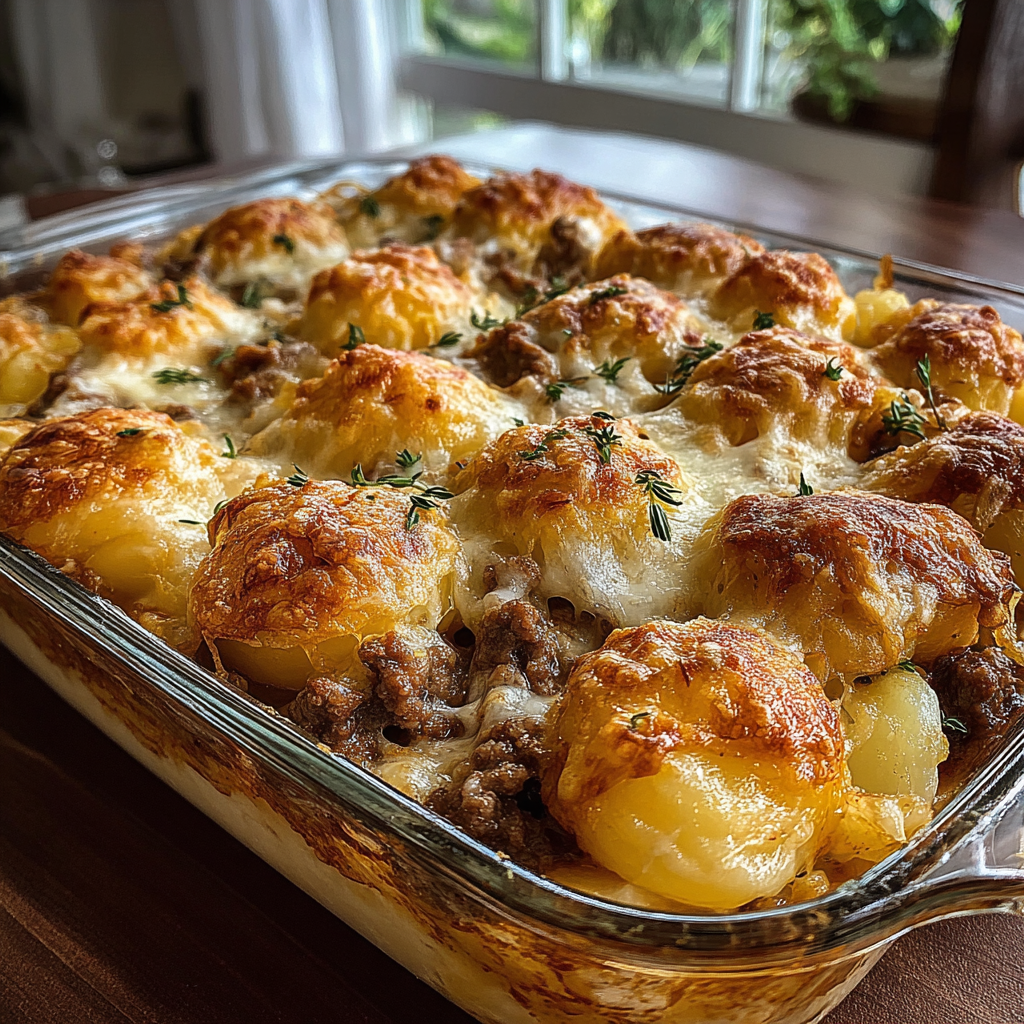
Comforting Potato Casserole for Family Gatherings
Ingredients
Method
- Preheat the oven to 350°F (175°C).
- Wash, peel, and slice the potatoes into thin rounds.
- In a large mixing bowl, combine sour cream, milk, garlic powder, salt, black pepper, and half of the cheddar cheese.
- Fold the sliced potatoes into the sour cream mixture until coated well.
- Layer half of the potato mixture in a greased baking dish, followed by a layer of bacon bits and green onions.
- Top with the remaining potato mixture, pressing down gently to compact.
- Sprinkle the remaining cheddar cheese and, if using, crushed cornflakes on top.
- Cover the dish with aluminum foil and bake for 30 minutes, then remove the foil and bake for an additional 15-20 minutes.
- Check for doneness by inserting a fork into the potatoes; they should be tender and easily pierced.
- Allow to sit for 10 minutes before serving.
Notes
Additional serving suggestions: pair with a crisp salad, garlic bread, or roasted seasonal vegetables for balance.
For make-ahead, prep components separately and assemble just before heating to preserve texture.
Taste and adjust with acid (lemon/vinegar) and salt right at the end to wake up flavors.