Introduction
If you're looking for a creative way to enjoy pizza while keeping it healthy, cauliflower crust pizza might just become your new favorite. This innovative take on traditional pizza offers a delightful texture and a flavor that won't disappoint. Plus, it’s a fantastic option for those who prefer gluten-free or lower-carb alternatives.
Creating your own cauliflower crust at home not only elevates your pizza game but also allows for customization, ensuring you can pile on your favorite toppings. With just a few simple ingredients, you can transform cauliflower into a delicious base that everyone will enjoy, regardless of dietary restrictions.
Ingredients
- 1 medium head of cauliflower (about 2 cups riced)
Cauliflower forms the base of this crust, providing a light, gluten-free alternative to regular flour. When riced and baked correctly, it takes on a wonderful texture that mimics traditional pizza crust. - 1/2 cup shredded mozzarella cheese
Cheese adds flavor and helps bind the crust together. When melted, it enhances the taste and provides that beloved cheesy texture that pizza fans expect. - 1/4 cup grated Parmesan cheese
Adding Parmesan cheese intensifies the savory flavor of the crust. Its dry, crumbly texture contrasts beautifully with the mozzarella, giving the crust a sturdy structure. - 1 large egg
The egg acts as a binding agent, holding the cauliflower crust together and giving it a slightly richer flavor. It also helps create a firmer texture that can withstand toppings. - 1 teaspoon Italian seasoning
A dash of Italian seasoning introduces a fragrant herb blend that enhances the overall flavor of the crust, making it more pizza-like and appetizing. - Salt and pepper to taste
Seasoning the crust properly with salt and pepper balances the flavors, ensuring that each bite is delicious and satisfying.
Directions & Preparation
Step 1: Preheat your oven to 450°F (232°C) and line a baking sheet with parchment paper.
Preheating the oven is crucial for achieving a crispy crust. The high temperature helps the moisture evaporate quickly, allowing the crust to bake and crisp without becoming soggy. Lining the baking sheet with parchment also prevents sticking, making cleanup easier.
Step 2: Rice the cauliflower using a food processor or grater until it resembles fine grains.
Ricing the cauliflower is an essential step for achieving the right texture. Aim for uniformity; if the pieces are too large, they won’t bind well. Cooked riced cauliflower has a higher moisture content, so ensure you press it adequately in the next step to remove excess water.
Step 3: Steam the riced cauliflower until tender, about 5-7 minutes, then let it cool slightly.
Steaming softens the cauliflower, making it easier to mix with other ingredients and enhances its flavor. Letting it cool is important, as you don’t want to cook the egg when you mix the ingredients; a warm mixture may lead to a scrambled effect.
Step 4: Transfer the cooled cauliflower to a clean towel and wring out excess moisture until dry.
Removing excess moisture is key to a crispy crust. Too much water will make the crust soggy and difficult to manage. Be thorough in this process; a well-dried cauliflower will yield far better results than one with residual moisture.
Step 5: In a mixing bowl, combine the riced cauliflower, mozzarella cheese, Parmesan cheese, egg, Italian seasoning, salt, and pepper. Mix until thoroughly combined.
Mixing these ingredients creates a cohesive batter that will form your crust. Make sure the cheeses are evenly distributed, as this will enhance both the texture and flavor. The egg will help bind it all together, which is essential for a successful crust.
Step 6: Spread the mixture onto the prepared baking sheet to form a crust about 1/4 inch thick.
Getting the thickness just right ensures that your crust cooks through evenly. A slightly thicker crust may yield a chewy texture, while a thinner one might get too crispy. Use a spatula or your hands to shape it, aiming for even edges.
Step 7: Bake the crust in the preheated oven for 20-25 minutes, or until golden brown.
Baking the crust until golden allows the flavors to deepen and the surface to crisp. Keep an eye on it towards the end of the cooking time to prevent burning. A golden crust will enhance the overall taste and complement your chosen toppings.
Step 8: Remove the crust from the oven and add your favorite toppings while it's still hot.
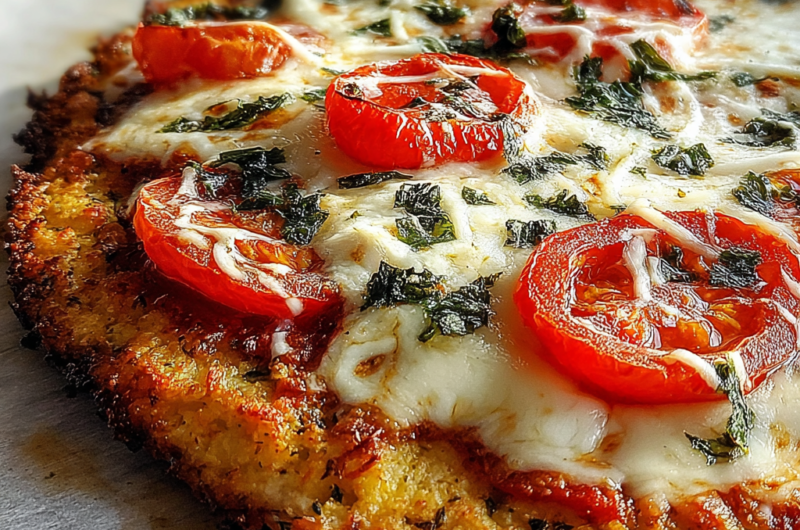
Adding toppings to a hot crust ensures they melt and meld together beautifully, creating a harmonious blend of flavors. Whether you're opting for classic tomato sauce and pepperoni or a gourmet selection, fresh ingredients will elevate your pizza.
Step 9: Return the topped pizza to the oven for an additional 10-15 minutes, until the cheese is bubbly and melted.
This final baking stage allows the toppings to cook through and the cheese to achieve its desired gooeyness. Watch closely so that the edges of the crust do not burn, and let the cheese take the spotlight.
Step 10: Remove from the oven, let cool for a few minutes, then slice and serve.
Allowing the pizza to cool slightly makes slicing easier and helps the crust set. Serve warm and enjoy the flavorful pizza with a healthier twist, savoring each bite of the delicious cauliflower base.

Experimenting with Toppings: Endless Combinations
One of the joys of making cauliflower crust pizza is the freedom to experiment with a variety of toppings. From classic combinations like pepperoni and mushrooms to creative options such as arugula and goat cheese, the possibilities are endless. Being adventurous allows you to cater to different tastes, ensuring that everyone at the table finds something they love.
Troubleshooting Your Cauliflower Crust
If your cauliflower crust turns out too thick or too thin, consider adjusting the amount of riced cauliflower or how you spread it on the baking sheet. A correctly spread layer should be uniform to ensure even cooking. Should the crust taste bland, don't forget that seasoning is key; ensure you're adding enough salt and herbs to enhance the flavor.
Health Benefits of Cauliflower Crust
Opting for cauliflower crust presents numerous health benefits. It is low in carbohydrates, making it suitable for those reducing carb intake, and it’s rich in vitamins C, K, and B6. Additionally, the fiber content in cauliflower contributes to overall digestive health while allowing you to enjoy a beloved comfort food without compromising your dietary preferences.
FAQs
What if my crust is too thick after baking?
If your crust is too thick after baking, it may not cook evenly. Try spreading the mixture thinner next time to allow for better crisping and doneness.
How can I add more flavor to my crust?
To enhance the flavor of your crust, consider incorporating more spices or herbs into the mixture, or using flavored cheese like garlic or herb-infused varieties.
Can I use frozen cauliflower for this recipe?
Yes, you can use frozen cauliflower, but make sure to thoroughly thaw and drain it before ricing to prevent excess moisture.
Is it possible to make this crust vegan?
To create a vegan version, you can substitute the egg with flaxseed meal mixed with water, and use vegan cheese instead of mozzarella.
How do I achieve a crispier pizza?
For a crispier crust, ensure you wring out all the moisture from the cauliflower and consider pre-baking the crust a bit longer before adding toppings.
Can I add other vegetables to the cauliflower crust?
Absolutely! Grated carrots or zucchini can be mixed in for added flavor and nutrition, but be sure to account for any extra moisture they add.
Conclusion
Making a cauliflower crust pizza at home is not just a healthier alternative but also a fun culinary project. The taste and texture can rival traditional pizza, especially when topped with your favorite ingredients. Experimenting with different flavors and textures keeps each pizza night exciting and enjoyable.
With a little practice, you’ll perfect the art of crafting this vegetable-based crust. So gather your ingredients, unleash your creativity, and savor the delicious results that a homemade cauliflower crust pizza brings to your table.
Recipe Card

Delicious Cauliflower Crust Pizza for Home Cooks
Ingredients
Method
- Preheat your oven to 450°F (232°C) and line a baking sheet with parchment paper.
- Rice the cauliflower using a food processor or grater until it resembles fine grains.
- Steam the riced cauliflower until tender, about 5-7 minutes, then let it cool slightly.
- Transfer the cooled cauliflower to a clean towel and wring out excess moisture until dry.
- In a mixing bowl, combine the riced cauliflower, mozzarella cheese, Parmesan cheese, egg, Italian seasoning, salt, and pepper. Mix until thoroughly combined.
- Spread the mixture onto the prepared baking sheet to form a crust about 1/4 inch thick.
- Bake the crust in the preheated oven for 20-25 minutes, or until golden brown.
- Remove the crust from the oven and add your favorite toppings while it's still hot.
- Return the topped pizza to the oven for an additional 10-15 minutes, until the cheese is bubbly and melted.
- Remove from the oven, let cool for a few minutes, then slice and serve.
Notes
Additional serving suggestions: pair with a crisp salad, garlic bread, or roasted seasonal vegetables for balance.
For make-ahead, prep components separately and assemble just before heating to preserve texture.
Taste and adjust with acid (lemon/vinegar) and salt right at the end to wake up flavors.