Introduction
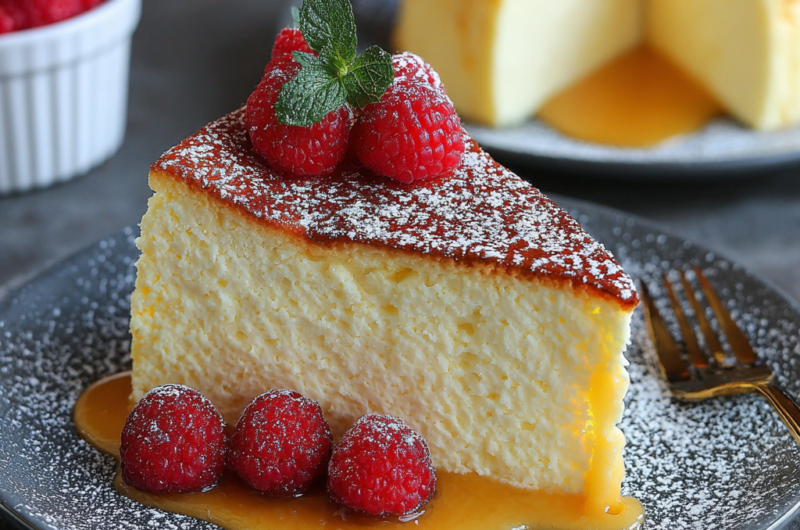
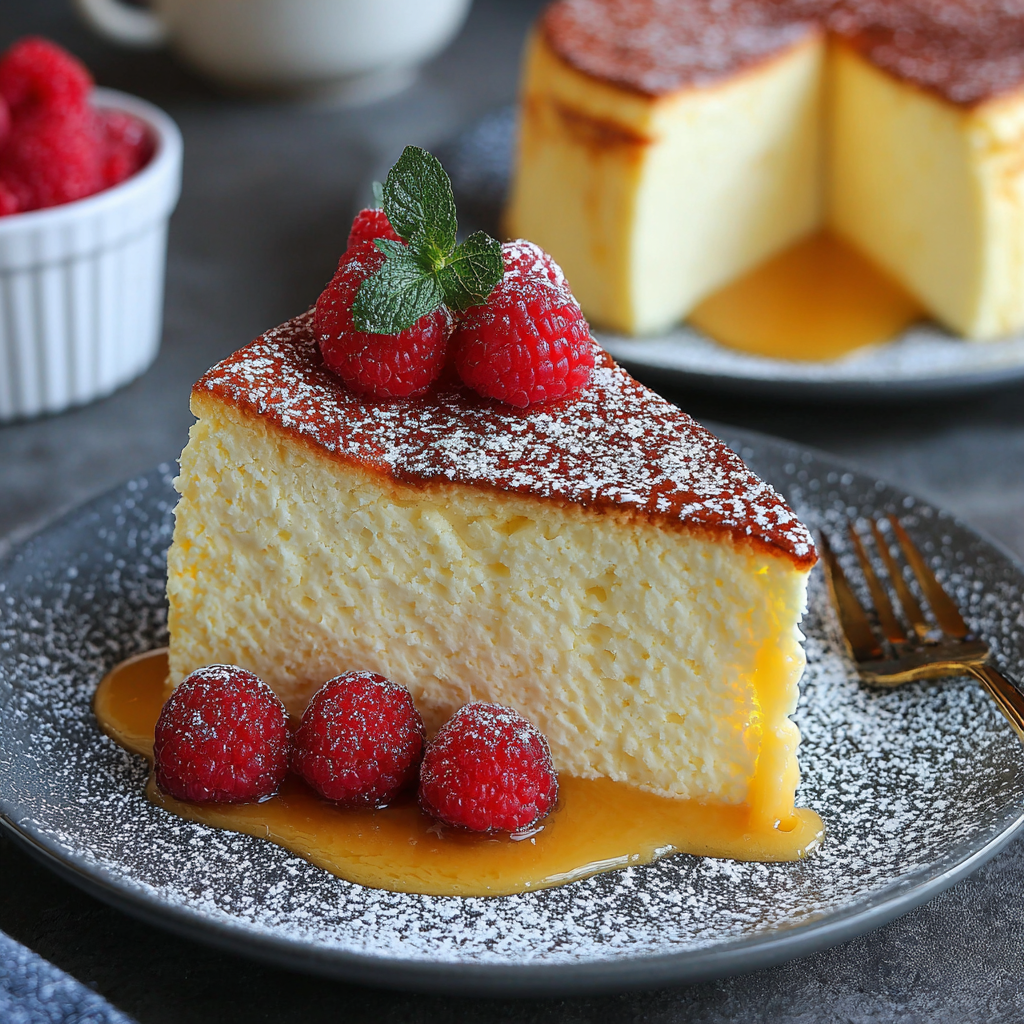
Japanese cheesecake, known for its light and airy texture, is a delightful twist on traditional cheesecake. Unlike its denser counterpart, this version is remarkably fluffy, almost soufflé-like, making it a unique dessert experience.
The charm lies in its balance of flavors—subtle sweetness combined with a hint of tanginess from cream cheese, all wrapped in a light sponge. It's perfect for those who prefer desserts that are not overwhelmingly rich.
While it may seem daunting to create such a delicate dessert, with a bit of patience and attention to detail, home cooks can achieve spectacular results, impressing friends and family alike.
Ingredients
- 250g cream cheese
Cream cheese is the foundation of any cheesecake, providing creaminess and a slight tang that defines the flavor profile. It also contributes to the structure, ensuring the cheesecake maintains its shape. - 50g unsalted butter
Butter adds richness and moisture to the batter, enhancing the flavor of the cheesecake. It also helps in achieving a smooth consistency when mixed with the other ingredients. - 60g milk
Milk helps to hydrate the batter, contributing to the overall moisture of the cake. Its lightness balances the density of cream cheese and butter. - 70g sugar
Sugar not only sweetens the cake but also plays a role in emulsifying the ingredients when beaten, which is crucial for achieving a light texture. - 3 large eggs (separated)
Eggs are essential for structure and leavening. The yolks provide richness, while the whipped egg whites add airiness, making the cheesecake rise beautifully in the oven. - 60g cake flour
Cake flour is lower in protein than all-purpose flour, allowing for a tender crumb. It helps set the structure without weighing down the lightness of the cheesecake. - 1/4 tsp salt
Salt enhances all flavors in the dessert, balancing the sweetness and rounding out the flavors for a more complex taste. - 1/2 tsp vanilla extract
Vanilla extract adds a warm, aromatic flavor that complements the cheesecake. It enhances the overall sweetness and makes the dessert more inviting.
Directions & Preparation
Step 1: Preheat the oven to 160°C (320°F).
Preheating the oven is crucial for even baking. By the time your batter is ready, the oven will be at the perfect temperature, ensuring the cheesecake rises properly without being undercooked.
Step 2: Prepare a 7-inch round cake pan by greasing and lining it.
Greasing and lining the cake pan prevents the cheesecake from sticking during baking and cooling. This step ensures a smooth release, maintaining the cake's delicate structure.
Step 3: In a bowl, mix the cream cheese and butter until smooth.
This initial mixing creates a creamy base that is essential for avoiding lumps in your batter. The goal is to achieve a smooth texture, which will contribute to the overall lightness of the cheesecake.
Step 4: Add sugar, eggs yolks, milk, and vanilla extract; mix until fully combined.
Incorporating the sugar and egg yolks at this stage enriches the batter. The milk adds fluidity, while vanilla enhances flavor. Ensure everything is mixed thoroughly to avoid lumps.
Step 5: Sift in the cake flour and salt, then fold gently until just combined.
Sifting the flour prevents clumps and ensures an even distribution in the batter. Folding gently helps retain the air you’ve worked to incorporate, crucial for a light and fluffy texture.
Step 6: In a separate bowl, beat the egg whites until stiff peaks form.
Whipping egg whites to stiff peaks adds the lift needed for the cheesecake. This step is vital; under-whipped whites won't provide enough volume, while over-whipped whites can become dry and grainy.
Step 7: Fold the beaten egg whites into the cream cheese mixture in three additions.
Folding in the egg whites carefully is crucial to maintain their volume. This process gently combines the mixtures while ensuring the fluffy texture remains intact.
Step 8: Pour the batter into the prepared pan and smooth the top.
Evening out the batter promotes uniform baking. A well-distributed batter helps the cake rise evenly, preventing any doming or cracking.
Step 9: Bake in the preheated oven for approximately 50-60 minutes, or until the top is golden brown and a toothpick inserted comes out clean.
Baking at a consistent temperature allows the cheesecake to set correctly. An underbaked cheesecake can collapse, while overbaking will lead to a tough texture. Monitor closely in the final minutes.
Step 10: Turn the oven off, crack the door open, and let the cheesecake cool for one hour inside.
This gradual cooling approach prevents sudden temperature changes that can cause cracking. It’s especially important for delicate cheesecakes, allowing them to settle gradually.
Step 11: Remove the cake from the oven and cool completely on a wire rack before refrigerating for at least four hours before serving.
Cooling completely at room temperature ensures texture consistency before chilling. Refrigeration allows flavors to meld and the cheesecake to firm up, enhancing the overall experience.

Mastering the Soufflé Texture
Achieving the signature soufflé texture of Japanese cheesecake requires the right technique in mixing and folding ingredients. It's essential to treat the beaten egg whites with care; they are filled with air pockets that will lift your cheesecake. Over-mixing can deflate these airy bubbles, leading to a denser cake. Keeping the texture light and fluffy is key to recreating the traditional cloud-like quality.
Flavor Variations to Explore
While the classic cheesecake is a delightful treat on its own, experimenting with flavors can elevate your dessert to new heights. Consider adding citrus zest like lemon or yuzu for a refreshing twist, or incorporate a swirl of matcha or fruit puree for added complexity. Spice variations like cinnamon or nutmeg can also provide an interesting depth of flavor while still keeping the delicate nature of the cake intact.
Serving Suggestions and Pairings
Japanese cheesecake shines elegantly on its own, but pairing it with fresh fruit or a drizzle of sweet sauce can enhance the experience. Lightly whipped cream or a scoop of seasonal sorbet on the side carries the same lightness as the cake. For a textural contrast, consider serving with a crunchy biscuit or cookie crumble. These additions will heighten the dessert's appeal without overshadowing its delicate nature.
FAQs
What should I do if my Japanese cheesecake is too thick?
If your cheesecake batter appears too thick before baking, consider adding a small amount of milk to loosen it. This will help achieve the desired light and airy texture.
Can I use a different type of flour?
Using cake flour is recommended for the best texture, but if unavailable, all-purpose flour can be used with slightly less volume for a similar result.
Why did my cheesecake crack on top?
Cracking is often caused by temperature fluctuations. Ensure to allow for gradual cooling and avoid overbaking.
Is there a way to make this cheesecake chocolate-flavored?
Yes, you can add cocoa powder to the batter or fold in melted chocolate with the egg whites for a delicious chocolate variation.
Why is my cheesecake not rising as expected?
If the egg whites weren’t whipped enough, the cake might not rise properly. Ensure they are tested to stiff peaks before folding into the batter.
Can I adjust the sweetness of the cheesecake?
Absolutely! You can reduce the sugar according to your taste preference, but remember that sweetness helps balance the tanginess of the cream cheese.
Conclusion
Making Japanese cheesecake is both a rewarding and enjoyable process. With practice, you'll learn to appreciate the nuances in texture and flavor that come together to create this beloved dessert.
Whether served plain or adorned with seasonal toppings, this cheesecake offers a light finish to any meal. Embrace the challenge, and soon you’ll have a delicious, fluffy cheesecake that is sure to become a favorite in your home.
Recipe Card
The Delicate Art of Japanese Cheesecake Making
Ingredients
Method
- Preheat the oven to 160°C (320°F).
- Prepare a 7-inch round cake pan by greasing and lining it.
- In a bowl, mix the cream cheese and butter until smooth.
- Add sugar, eggs yolks, milk, and vanilla extract; mix until fully combined.
- Sift in the cake flour and salt, then fold gently until just combined.
- In a separate bowl, beat the egg whites until stiff peaks form.
- Fold the beaten egg whites into the cream cheese mixture in three additions.
- Pour the batter into the prepared pan and smooth the top.
- Bake in the preheated oven for approximately 50-60 minutes, or until the top is golden brown and a toothpick inserted comes out clean.
- Turn the oven off, crack the door open, and let the cheesecake cool for one hour inside.
- Remove the cake from the oven and cool completely on a wire rack before refrigerating for at least four hours before serving.
Notes
Additional serving suggestions: pair with a crisp salad, garlic bread, or roasted seasonal vegetables for balance.
For make-ahead, prep components separately and assemble just before heating to preserve texture.
Taste and adjust with acid (lemon/vinegar) and salt right at the end to wake up flavors.