Introduction
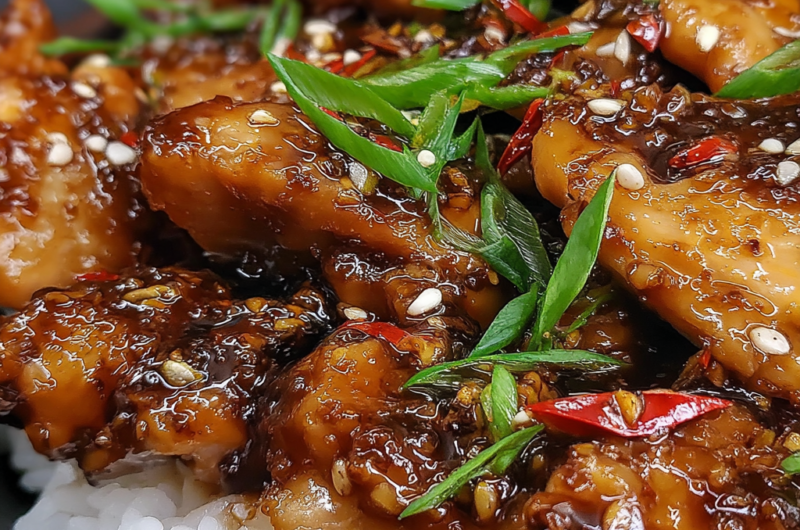
Chinese cuisine offers a delightful array of flavors, but few dishes capture the essence of comfort food quite like chicken in garlic sauce. This dish is wonderfully aromatic and features a harmonious blend of savory and sweet, making it a favorite among home cooks and diners alike.
At the heart of this dish is tender chicken enveloped in a rich, glossy sauce that delivers both depth and simplicity. With each bite, you'll experience a burst of garlicky goodness complemented by hints of soy and sesame, transporting your taste buds to a bustling Chinese eatery.
The beauty of chicken in garlic sauce lies in its accessibility. With just a handful of ingredients, you can create a meal that feels special without spending hours in the kitchen. This is a perfect weeknight dinner option that's sure to please everyone at the table.
Ingredients
- 1 pound boneless, skinless chicken thighs
Chicken thighs are preferred for their tenderness and richness. They remain juicy during cooking, absorbing the sauce's flavors perfectly. - 4 tablespoons soy sauce
Soy sauce brings a depth of savory saltiness to the dish, enhancing the overall umami character of the sauce. - 3 tablespoons minced garlic
Garlic is the star of this dish, providing its signature pungent and aromatic flavor. Fresh garlic offers a sharpness that mellows beautifully during cooking. - 2 tablespoons oyster sauce
This adds a complex, slightly sweet flavor that rounds out the sauce, acting as a delicious complement to the garlic and soy. - 1 tablespoon rice vinegar
The vinegar introduces a subtle tanginess to the dish that balances the richness of the sauces, ensuring a well-rounded flavor profile. - 1 tablespoon sesame oil
Sesame oil contributes a distinct nuttiness, elevating the overall aroma and taste of the dish. It should be added towards the end to maintain its flavor. - 1 tablespoon cornstarch mixed with 2 tablespoons water
This cornstarch slurry serves as a thickening agent, creating a silky, glossy sauce that clings beautifully to the chicken. - 2 tablespoons vegetable oil
Used for frying, vegetable oil has a high smoke point, making it ideal for achieving a nice sear on the chicken. - 2 green onions, chopped
Chopped green onions add a fresh bite and bright color as a final touch, enhancing both the visual appeal and flavor at plating.
Directions & Preparation
Step 1: Prepare the chicken by cutting it into bite-sized pieces.
Cutting the chicken into small, uniform pieces ensures even cooking and allows the meat to absorb the sauce flavors better. This preparation step sets the foundation for a tender final dish.
Step 2: Marinate the chicken with soy sauce and minced garlic for at least 30 minutes.
Marinating the chicken infuses it with flavor and enhances its tenderness. The garlic and soy sauce start the flavor-building process, making the chicken more aromatic and savory.
Step 3: Heat the vegetable oil in a large pan over medium-high heat.
Preheating the oil properly is crucial for achieving a good sear on the chicken. This step locks in juices and creates a nice golden crust, enhancing the dish's overall flavor.
Step 4: Add the marinated chicken to the pan and stir-fry until cooked through.
When cooking, make sure the chicken pieces are spaced out in the pan. This allows them to sauté properly rather than steam. Look for a golden-brown color on the edges as a cue for doneness.
Step 5: Pour in the oyster sauce, rice vinegar, and remaining garlic, stirring well.
Adding the oyster sauce and rice vinegar at this stage enriches the dish with flavor. The garlic will infuse further into the mixture, melding beautifully with the chicken.
Step 6: In a small bowl, mix the cornstarch with water to form a slurry, then stir this into the pan.
Adding cornstarch thickens the sauce, ensuring it adheres well to the chicken. Stirring after addition prevents lumps and ensures the sauce has a silky, glossy finish.
Step 7: Drizzle with sesame oil and add chopped green onions just before serving.
Sesame oil should be added last to preserve its aromatic quality. The chopped green onions will provide a fresh crunch that contrasts with the rich sauce, enhancing the dish's complexity.
Step 8: Serve hot over rice or noodles, garnished with extra green onions if desired.
Serving over rice or noodles is classic in Chinese cuisine and allows you to savor every drop of the flavorful sauce. The dish looks inviting, and the garnished green onions elevate the visual appeal.

The Importance of Marinating: Unlocking Flavors
Marinating the chicken is a crucial step in ensuring maximum flavor penetration. The combination of soy sauce and garlic serves not only to season the chicken but also to tenderize it. A longer marination, ideally over several hours or overnight, deeply enhances the dish's overall flavor profile, yielding a rich and savory chicken that’s bursting with taste.
Balancing Flavors: The Role of Acidity
Introducing rice vinegar into the sauce creates a vital balance among the flavors. Acidity cuts through the richness of the soy and oyster sauces, offering a refreshing lift that stimulates the palate. This balance is pivotal in Chinese cuisine, where the interplay of sweet, salty, sour, and umami plays a central role in creating a memorable meal.
Perfecting the Sauce: Texture and Consistency
Achieving the perfect sauce texture relies on the cornstarch slurry. This ingredient transforms the liquid into a thick, glossy coating that clings to the chicken without being overly sticky. An ideal sauce should enhance the dish without overshadowing it, providing a pleasant mouthfeel that complements the tender chicken pieces.
FAQs
What if the sauce is too thick?
If your sauce turns out too thick, you can thin it out by adding a small amount of water or chicken broth. Stir over low heat until you reach your desired consistency.
Can I substitute chicken thighs with breast meat?
Yes, chicken breasts can be used instead of thighs. However, be mindful that breasts may dry out faster, so adjust cooking times accordingly.
What should I do if there's too much garlic flavor?
If the garlic flavor is too strong, you can balance it by adding a little more oyster sauce or a touch of sugar, which can mellow out the pungency.
Can I include vegetables in this dish?
Absolutely! Adding vegetables such as bell peppers, broccoli, or snap peas can enhance nutrition and add textural variety. Stir-fry them briefly before adding the chicken.
How can I store leftovers from this dish?
Store any leftovers in an airtight container in the refrigerator for up to three days. Reheat gently on the stove or in a microwave.
What if my chicken gets overcooked?
If your chicken is overcooked, the best remedy is to serve it with plenty of sauce, which can help mask the dryness and add moisture back to the dish.
Conclusion
Chicken in garlic sauce offers a wonderful blend of flavors and textures, making it a satisfying option for any dinner. With a few simple ingredients and techniques, you can create a meal that delights the senses and brings a taste of Chinese culinary traditions into your home.
Next time you're in the mood for comfort food that’s easy to prepare and full of flavor, turn to this garlic chicken dish. Your family will appreciate the effort, and you’ll relish the delightful explosion of taste that comes from a homemade meal.
Recipe Card
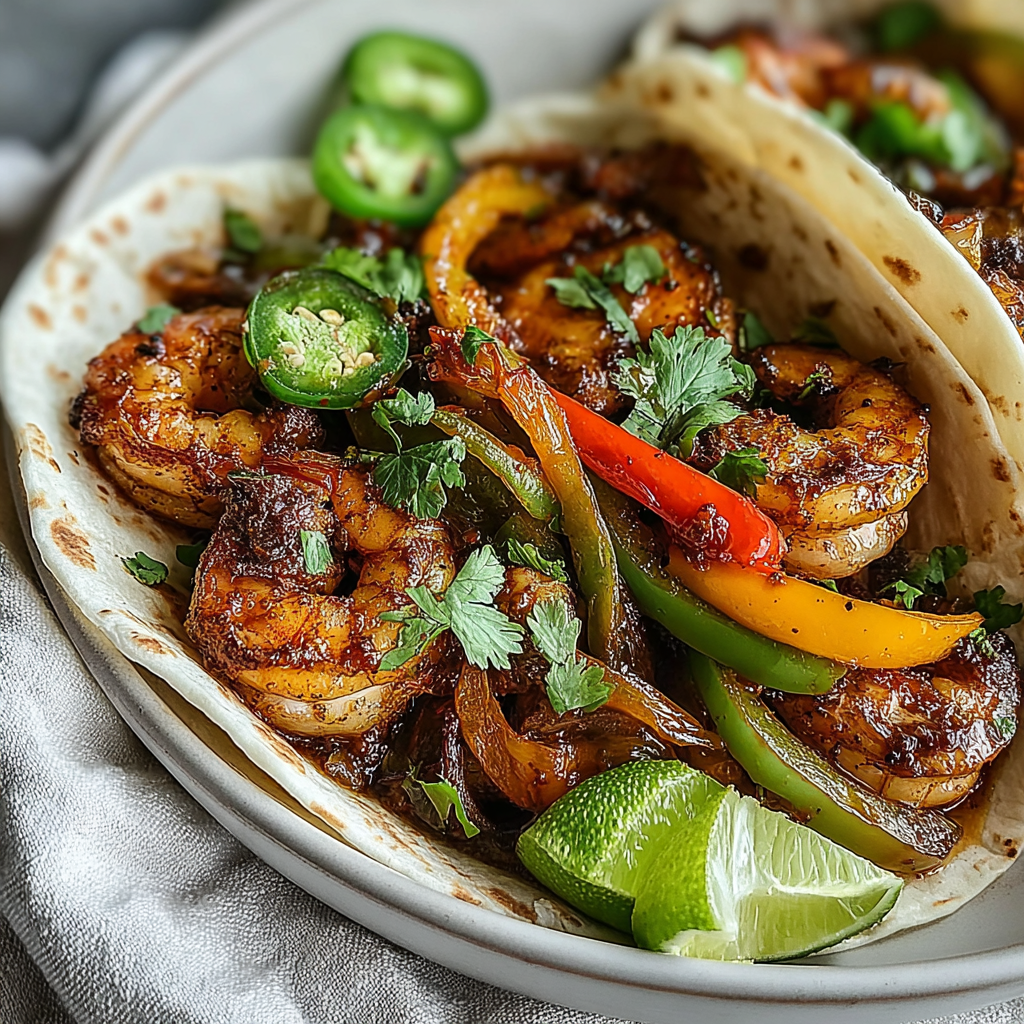
Flavorful Shrimp Fajitas for a Crowd-Pleasing Meal
Ingredients
Method
- Prepare the shrimp and vegetables.
- Marinate the shrimp.
- Heat the olive oil in a large skillet.
- Cook the vegetables.
- Add the shrimp and garlic to the skillet.
- Verify seasoning and adjust.
- Warm tortillas.
- Serve the fajitas.
Notes
Additional serving suggestions: pair with a crisp salad, garlic bread, or roasted seasonal vegetables for balance.
For make-ahead, prep components separately and assemble just before heating to preserve texture.
Taste and adjust with acid (lemon/vinegar) and salt right at the end to wake up flavors.