Introduction
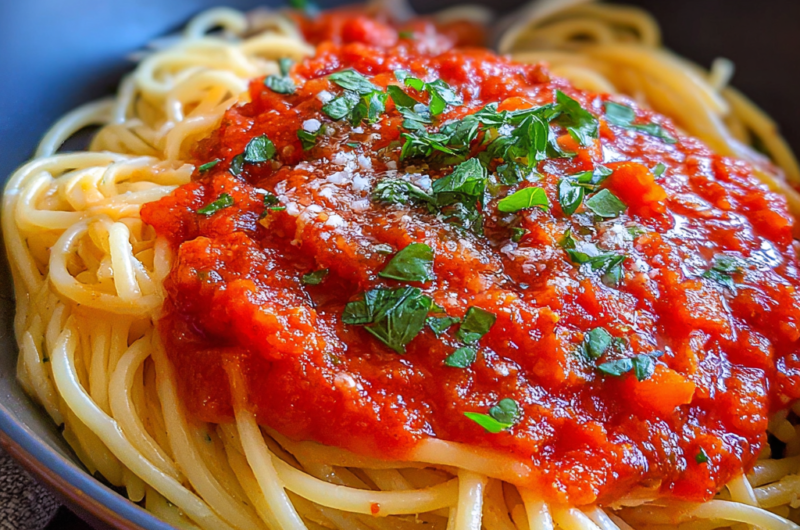
There's something truly comforting about a pot of simmering marinara sauce. Its aroma fills the kitchen, reminding us of family gatherings and shared meals. Crafting your own marinara sauce allows you to control the flavors and ingredients, ensuring a fresh and vibrant sauce that's perfect for pasta, pizza, or dipping.
Made with simple, whole ingredients, homemade marinara sauce is not just about convenience—it's also about love and tradition. Each ingredient plays a role, contributing to the balanced flavor profile that elevates any dish. With this recipe, you'll find joy in the process and satisfaction in every spoonful.
Ingredients
- 2 tablespoons olive oil
Olive oil serves as the base for cooking and adds richness to the sauce. Its fruity notes enhance the overall flavor and help in sautéing the aromatics. - 1 medium onion, finely chopped
Onions provide sweetness when cooked down and serve as a foundational flavor in the sauce. They also contribute to the sauce's texture and depth. - 4 cloves garlic, minced
Garlic adds a fragrant and savory note, creating layers of flavor. Its pungency mellows out during cooking, lending complexity to the sauce. - 28 ounces canned whole tomatoes
Whole tomatoes are the star of the marinara, offering bright acidity and natural sweetness. Using high-quality tomatoes is crucial for a rich color and flavor. - 1 teaspoon salt
Salt is essential for enhancing flavors and balancing the acidity of the tomatoes. It ensures every ingredient shines in the finished sauce. - 1 teaspoon black pepper
Black pepper adds warmth and a subtle kick to the sauce. It complements the tomatoes beautifully and elevates the overall taste. - 1 teaspoon sugar
A hint of sugar helps counterbalance the acidity of the tomatoes, creating a harmonious flavor. It's often the secret ingredient that rounds out the sauce. - 1 teaspoon dried oregano
Oregano adds an earthy, aromatic quality that enhances the Italian character of the sauce. It's a classic herb that pairs well with tomatoes. - 1/2 teaspoon red pepper flakes
Red pepper flakes give a gentle heat to the sauce, adding an exciting depth without overwhelming the flavor. Adjust the quantity based on your preference. - Fresh basil leaves, to taste
Basil infuses a fresh and fragrant quality into the sauce. Adding it at the end preserves its vibrant flavor, making your marinara feel bright and alive.
Directions & Preparation
Step 1: Heat the olive oil in a large pot over medium heat.
Starting with olive oil heats the pan, allowing the other ingredients to sauté properly. It's important to choose a heavy-bottomed pot to maintain an even heat.
Step 2: Add the chopped onions and sauté until translucent, about 5-7 minutes.
Sautéing the onions releases their natural sugars, enhancing sweetness and flavor. Aim for a soft, translucent look rather than browning them, as this forms the aromatic base for the sauce.
Step 3: Stir in the minced garlic and cook for another minute.
Garlic cooks quickly, so it’s important to keep an eye on it. Cooking too long can lead to bitterness, while just a minute allows its flavor to bloom without overpowering the dish.
Step 4: Add the canned tomatoes, crushing them gently into the pot.
Crushing the tomatoes incorporates them into the sauce, releasing their juices. Use crushed tomatoes for a smoother sauce or leave them whole for a chunkier texture, depending on your preference.
Step 5: Stir in the salt, black pepper, sugar, oregano, and red pepper flakes.
These seasonings are essential for building the sauce's flavor profile. Salt enhances natural sweetness, while sugar balances acidity, ensuring a well-rounded sauce.
Step 6: Bring the sauce to a simmer, then reduce heat to low and cover.
Simmering allows the flavors to meld together beautifully. Covering the pot keeps moisture in, resulting in a richer and thicker sauce. Let it cook for at least 30 minutes.
Step 7: Taste and adjust seasoning if necessary, then stir in fresh basil before serving.
Tasting the sauce allows you to personalize the flavors according to your preference. Fresh basil added at the end maintains its bright color and flavor.

Choosing the Right Tomatoes for Marinara
The choice of tomatoes significantly impacts the flavor of your marinara sauce. San Marzano tomatoes are highly regarded for their sweet and robust taste, but any good quality canned tomatoes can work. Look for those packed in juice, not puree, to ensure the freshest flavor, and consider organic options for a more natural taste.
Building Layers of Flavor with Aromatics
Onions and garlic are foundational aromas in marinara sauce, each contributing unique flavors. Sautéing them slowly ensures their sugars caramelize, creating depth. Avoid high heat that could burn the garlic, which would impart a bitter taste. This careful treatment enhances your sauce's complexity and makes it taste homemade.
What to Serve with Your Homemade Marinara
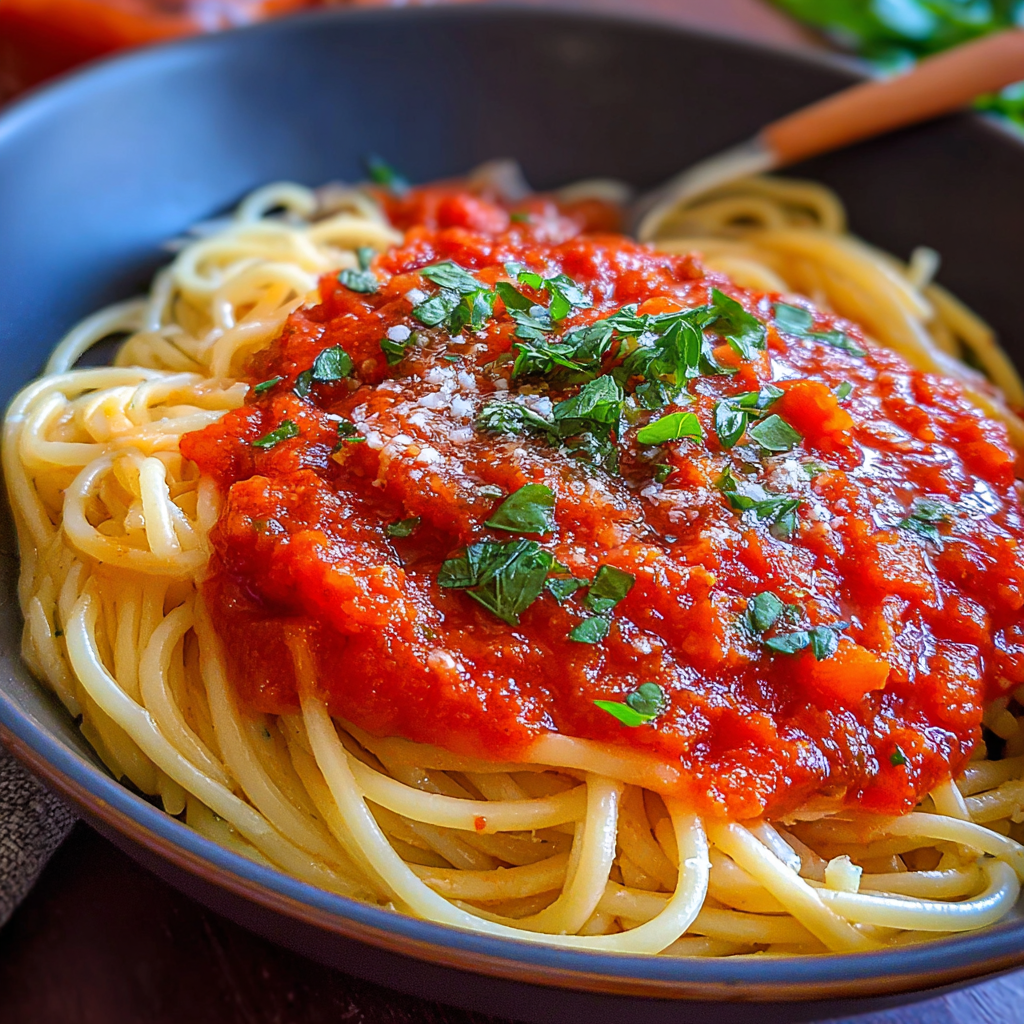
Homemade marinara sauce is incredibly versatile and can complement a variety of dishes. Use it generously over pasta, spread it on homemade or store-bought pizza, or serve it as a dipping sauce for cheesy garlic bread. Its bright flavors marry well with grilled vegetables, making it a delightful addition to many meals.
FAQs
What type of tomatoes are best for marinara sauce?
Canned whole, preferably San Marzano tomatoes, are best for their sweet and balanced flavor. Any high-quality canned tomatoes will work, as they are key to the sauce's taste.
How can I thicken my marinara sauce if it's too thin?
If your sauce is thin, simmer it uncovered to allow excess moisture to evaporate. You can also add a small amount of tomato paste to thicken it up without altering the flavor.
What if my marinara sauce tastes bland?
Bland marinara can often be brightened with additional salt, pepper, or herbs. Taste as you go and adjust the seasoning gradually, keeping in mind that flavors develop over time.
Can I use fresh tomatoes instead of canned?
Yes, you can use fresh tomatoes, though you will need about 2 pounds. Blanch them to remove skins, and cook them down until they lose moisture, which may require slightly more time.
Is it possible to scale this recipe for a larger batch?
Absolutely! Simply multiply each ingredient by the desired factor. Keep in mind that cooking times may vary slightly for larger batches—just ensure it simmers adequately.
How can I enhance the flavor further?
Adding a splash of red wine during sautéing can deepen the flavor, or consider incorporating a bay leaf or different herbs like thyme for a unique twist.
Conclusion
Making your own marinara sauce at home is a rewarding experience that not only nourishes the body but also warms the heart. With each simmer, you’re crafting a sauce infused with love and care, suitable for a family meal or a cozy dinner for one.
So roll up your sleeves, gather your ingredients, and embrace the process. Your homemade marinara sauce will not only enhance your favorite dishes but will also become a cherished staple in your kitchen.
Recipe Card
Crafting Authentic Homemade Marinara Sauce
Ingredients
Method
- Heat the olive oil in a large pot over medium heat.
- Add the chopped onions and sauté until translucent, about 5-7 minutes.
- Stir in the minced garlic and cook for another minute.
- Add the canned tomatoes, crushing them gently into the pot.
- Stir in the salt, black pepper, sugar, oregano, and red pepper flakes.
- Bring the sauce to a simmer, then reduce heat to low and cover.
- Taste and adjust seasoning if necessary, then stir in fresh basil before serving.
Notes
Additional serving suggestions: pair with a crisp salad, garlic bread, or roasted seasonal vegetables for balance.
For make-ahead, prep components separately and assemble just before heating to preserve texture.
Taste and adjust with acid (lemon/vinegar) and salt right at the end to wake up flavors.