Introduction
Buddha bowls are more than just a meal; they embody the harmony of flavors, textures, and colors, served in a single dish meant to nourish both body and soul. These vegetarian versions, rich in fresh vegetables, wholesome grains, and vibrant dressings, cater to diverse dietary preferences while keeping your taste buds satisfied.
Each bowl invites creativity, allowing home cooks to customize their ingredients based on personal preference or seasonal availability. Whether you’re aiming for something hearty to fill you up or light and refreshing, there’s a combination for everyone.
Not only are these bowls delicious, but they also offer numerous health benefits, packed with vitamins, minerals, and fiber. Let's dive into crafting a scrumptious vegetarian Buddha bowl that can serve as a delightful centerpiece for any meal.
Ingredients
- 1 cup quinoa
Quinoa is a nutrient-dense grain that serves as the foundation for the bowl, providing protein and fiber. It cooks up fluffy and has a slightly nutty flavor that complements the array of ingredients. - 2 cups mixed greens
A mix of greens not only brings crunch but is also rich in vitamins A and C, which are essential for overall health. This adds a refreshing element to the bowl. - 1 cup roasted sweet potatoes, cubed
Sweet potatoes add a natural sweetness and creamy texture, along with healthy carbohydrates. Roasting enhances their flavor, creating a delightful contrast with other ingredients. - 1 cup chickpeas, cooked
Chickpeas contribute protein and fiber, making the dish more filling. Their mild flavor carries well, allowing them to absorb the dressing and spice. - 1/2 avocado, sliced
Avocado adds a creaminess and healthy fats that help to keep you satiated. Its rich texture balances the crunch of the veggies. - 1/4 cup red cabbage, shredded
Red cabbage provides a vibrant color and a refreshing crunch, along with antioxidants. It adds a bit of bite that elevates the overall texture of the bowl. - 1/4 cup tahini
Tahini acts as a rich creamy dressing component, adding depth of flavor, along with healthy fats and protein. - 2 tablespoons lemon juice
Fresh lemon juice brightens the final dish, providing acidity that balances the richness of tahini and avocado. - Salt and pepper, to taste
Seasoning the ingredients is crucial, as it enhances the flavors and makes each element pop.
Directions & Preparation
Step 1: Rinse and cook the quinoa according to package instructions.
Start by rinsing the quinoa thoroughly under cold water to remove its natural coating, called saponin, which can impart a bitter flavor. Cooking it properly will yield fluffy and fully tender grains, serving as a base for your bowl.
Step 2: Preheat the oven and roast the sweet potatoes.
Preheating the oven is essential for achieving that crispy exterior plus fluffy interior in your sweet potatoes. Toss them in olive oil and season with salt before roasting to enhance their natural sweetness.
Step 3: Prepare the chickpeas and roast if desired.
You can either use canned chickpeas for convenience or roast dried ones for added texture and flavor. Toss with some spices and roast until slightly crispy to provide a delightful contrast in the bowl.
Step 4: Assemble the bowl with cooked quinoa and mixed greens.
Start your assembly by placing a generous portion of quinoa and a handful of mixed greens as the base. This not only offers a delightful texture but also a nutritional powerhouse that will set the tone for the bowl.
Step 5: Layer the roasted sweet potatoes, chickpeas, and other veggies.
Layering the ingredients allows various textures and flavors to come together harmoniously. Each layer should offer something different—crunchy, creamy, savory—creating a balanced meal.
Step 6: Drizzle tahini and lemon juice over the assembled ingredients.
This step is crucial as the tahini dressing and lemon juice tie the entire dish together. The creaminess of tahini mixed with the brightness from the lemon enhances the flavors of all ingredients, making it irresistible.
Step 7: Season with salt and pepper to taste.
Final seasoning is a key step to bringing out the best flavors of the combined ingredients. Taste as you go to ensure perfect balance in your bowl.
Step 8: Serve immediately and enjoy!
Serving immediately lets you enjoy the freshness of the ingredients at their peak. The combination of textures and flavors will provide a satisfying and nutritious meal.

Elevating Your Bowl with Seasonal Produce
By incorporating seasonal produce, you enhance the freshness and nutritional value of your Buddha bowl. For example, spring greens like asparagus or snap peas can brighten a summer bowl, while roasted root vegetables add warmth during fall. The key is to experiment with what's available locally to maximize flavor and support sustainable eating practices.
Flavor Boosts with Homemade Dressings
While tahini offers a creamy base, making your own dressings can elevate the dish further. Consider a ginger-lime vinaigrette or a zesty yogurt sauce for added brightness. These homemade options allow for customization of flavors, enabling you to adjust sweetness, tanginess, or spice according to personal preference.
Protein-Packed Variations
Enhancing protein content can be easily achieved by adding a variety of legumes or seeds. Try including edamame, black beans, or even seeds like pumpkin or sunflower for extra crunch. Each provides distinct flavors and nutrients, making your Buddha bowl even more satisfying and wholesome.
FAQs
What if my sweet potatoes are too mushy?
If your sweet potatoes turn mushy, ensure they are cut into evenly-sized cubes and avoid overcooking them. Roasting at a higher temperature can also help create a crispy texture on the outside.
How can I add more flavor to the chickpeas?
You can add more flavor to your chickpeas by marinating them in your favorite spices or tossing them with olive oil, garlic, and paprika before roasting.
What should I do if my tahini dressing is too thick?
If the tahini dressing is too thick, simply thin it out with a bit of water or extra lemon juice until it reaches the desired pourable consistency.
Can I make this bowl spicier?
To add spiciness, consider incorporating sliced jalapeños, red pepper flakes, or a dash of hot sauce to the tahini dressing.
What if I want to use a different grain?
Feel free to substitute quinoa with other grains such as farro, brown rice, or even barley, each adding its unique texture and flavor to the bowl.
My bowl seems bland, what can I do?
If your bowl lacks flavor, revisit your seasoning. A generous pinch of salt or a sprinkle of your favorite herbs can do wonders to elevate the dish.
How can I incorporate more greens?
To get more greens into your Buddha bowl, consider adding steamed kale, arugula, or baby spinach, which can enhance both flavor and nutritional content.
Conclusion
Creating a vegetarian Buddha bowl is a delightful way to pack a variety of flavors and nutrients into one meal. This approach simplifies mealtime without compromising on taste or dietary needs, encouraging creativity in the kitchen.
By personalizing each bowl with your choice of ingredients, you can elevate this dish to suit your taste buds, making it a weekly staple. Enjoy the time spent preparing and savoring this colorful representation of a balanced meal.
Recipe Card
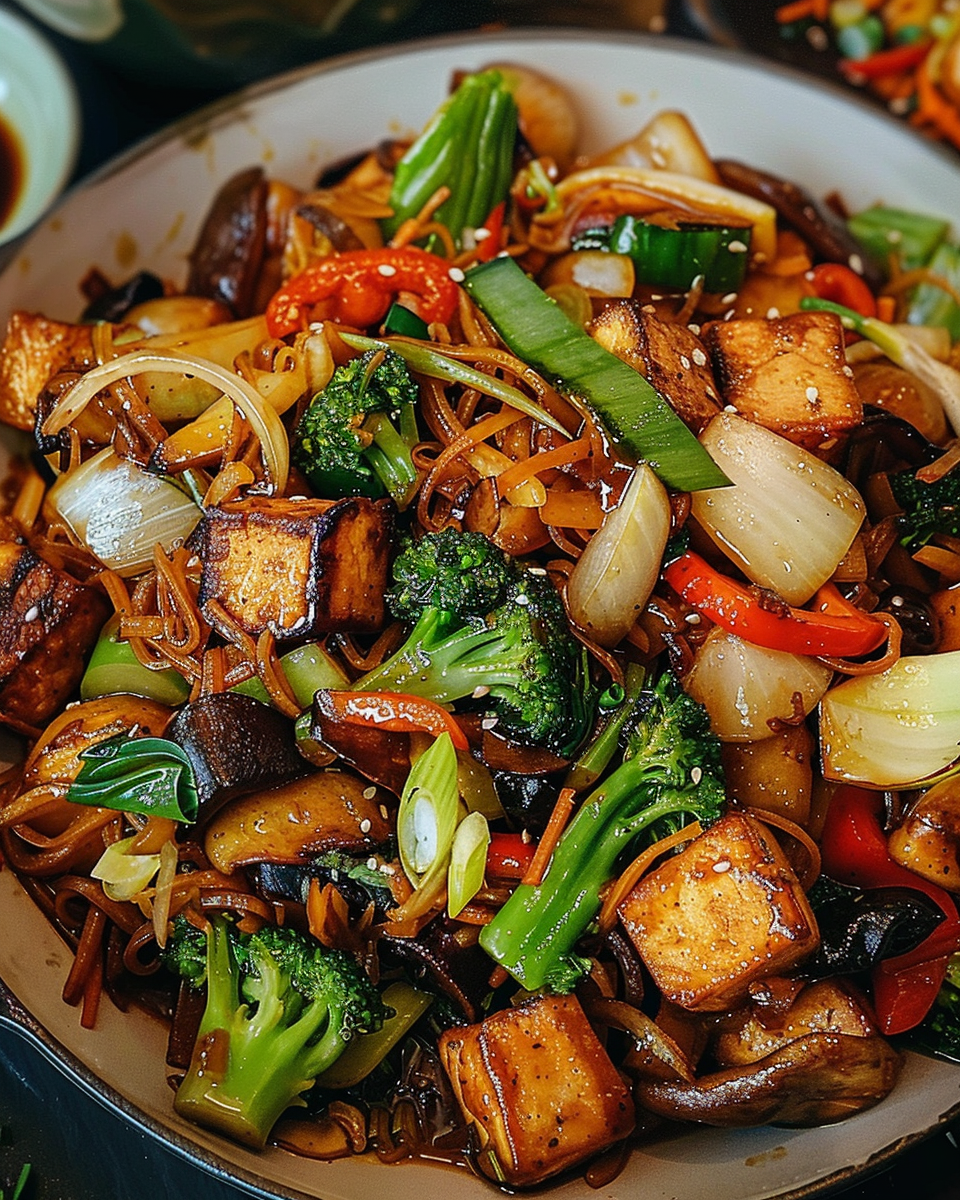
Wholesome Vegetarian Buddha Bowls for Every Palate
Ingredients
Method
- Rinse and cook the quinoa according to package instructions.
- Preheat the oven and roast the sweet potatoes.
- Prepare the chickpeas and roast if desired.
- Assemble the bowl with cooked quinoa and mixed greens.
- Layer the roasted sweet potatoes, chickpeas, and other veggies.
- Drizzle tahini and lemon juice over the assembled ingredients.
- Season with salt and pepper to taste.
- Serve immediately and enjoy!
Notes
Additional serving suggestions: pair with a crisp salad, garlic bread, or roasted seasonal vegetables for balance.
For make-ahead, prep components separately and assemble just before heating to preserve texture.
Taste and adjust with acid (lemon/vinegar) and salt right at the end to wake up flavors.